
Carnival of Animals - A Ballet for Children...and the Child at Heart
- theadventuresofaro
- Nov 14, 2022
- 4 min read
Updated: Dec 8, 2022
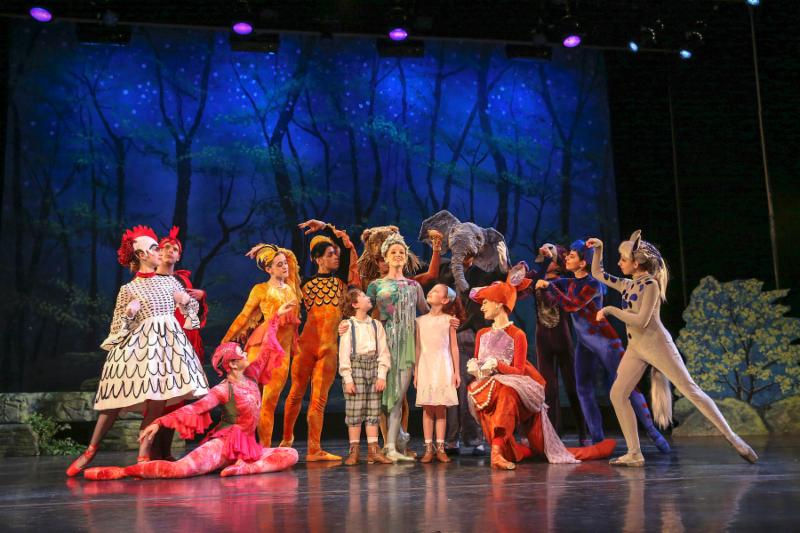
In the room where the slumbering school boy was hidden
Caressed by the moon's ghostly beams
The stately stuffed animals awakened, unbidden, inhabiting Oliver's dreams
A buffalo bellowed, the falcon took flight
The tale of the peacock unfurled
But among them emerged an astonishing sight...
Pale apparitions invading the night!
Carnival of the Animals adapted by John Lithgow (3rd Rock from the Sun)
In 2003, The New York City Ballet premiered the first ballet to be created based on the classical music suite of Carnival of the Animals. This beautiful ballet was based on a story about a boy who hides during closing time at the American Museum of Natural History in New York. After falling asleep, he dreams of all the people he knows as animals who have come to life. The music is fun and light with each animal having its own musical arrangement. With so many ballets having complicated and lengthy plots (and many not appropriate for children), this was a welcome addition to the ballet world. Choreographed by Christopher Wheeldon, this fun ballet has since been performed all over the world to children and adults alike.
Carnival of the Animals was originally a short musical suite created by French composer Camille Saint-Saens in 1886, during the heyday of classical ballet production. Interestingly enough not only was this not intended to ever be a ballet, Saint-Saens forbade it to ever be published or performed publicly and only ever allowed to be performed privately. This was because he was afraid that those who heard it would find it "frivolous" and never take him seriously again. Fortunately for us, it was published in 1922 after his death.

I'm not entirely convinced however that the influence of ballet and it being so prominent during the time of the creation of Carnival of the Animals didn't seep into the composition somehow. One of the reasons that I love Carnival of the Animals so much is the simplicity and the fun of it. I used to use this music to teach beginners ballet in the Bronx. Each animal has its own music that can be turned into a ballet exercise. The turtle moves slowly, the chickens and hens are fast and frenetic. And having an animal to associate with each movement, it makes it simple for young children to remember and learn each step. I've even used the music at the barre as part of my own warmup exercises when I need a break from other music. I'm inclined to think that perhaps Saint-Saens missed a moment in publishing not this beautiful music during his lifetime, but unfortunately he didn't feel that he wouldn't have been rewarded for his courage - and he was probably right. With so much expectation of a certain type of music from composers at the time, Carnival of the Animals probably wouldn't have been well received.
One way or the other, Carnival of the Animals' influence has been far reaching ever since. In addition to being turned into a very popular contemporary ballet with well-known actors like John Lithgow narrating the performance, individual sections of the musical suite have become famous in their own right. Aquarium, the section dedicated underwater creatures, you would remember from the introduction to Disney's Beauty and the Beast. The Swan was soon after its creation turned into a solo performance in 1907 by the most famous ballerina of all time, Anna Pavlolva. The piece was retitled, "The Dying Swan" and took on a more serious theme, and since has been performed and interpreted in not only ballets but on screen and in texts as well all over the world. Including a hilarious and beautifully technically executed version by Les Ballets Trockadero de Monte Carlo, a world renowned all male ballet corps de ballet that dances en pointe.
Being initially without a specific story or plot associated with it, it is up to the listener to create their own story with their imagination. The Carnival of the Animals suite is only about 25 minutes long and is definitely worth a listen. Here is a video of it being performed by the Zagreb Music Academy Chamber Orchestra. There are now also many children's books based the Carnival of Animals with interpretations of the music including one by John Lithgow that includes his original narration of the ballet that are a fun read.
Ultimately, I'm sorry that Saint-Saens didn't get a chance to fully experience the joy and appreciation that Carnival of the Animals would bring to audiences in his lifetime, but I am very grateful that it did eventually reach the public space. We need more ballets like this that can give our children a reason to be excited about and learn ballet - and bring a bit of happiness to those of us who are children at heart.
References and Further Reading:
More about the ballet:
More to watch:
Carnival of the Animals: https://www.youtube.com/watch?v=wBGEf4urGNo
John Lithgow Narrates Carnival of Animals: https://www.youtube.com/watch?v=fh82uWIyIBk
Anna Pavlova as the Dying Swan: https://www.youtube.com/watch?v=tkFSBkl9mmo
Les Ballets Trockadero de Monte Carlo: https://www.youtube.com/watch?v=tej-M18zGpY
More about the composer, Camille Saint-Saens and the music:


Comments